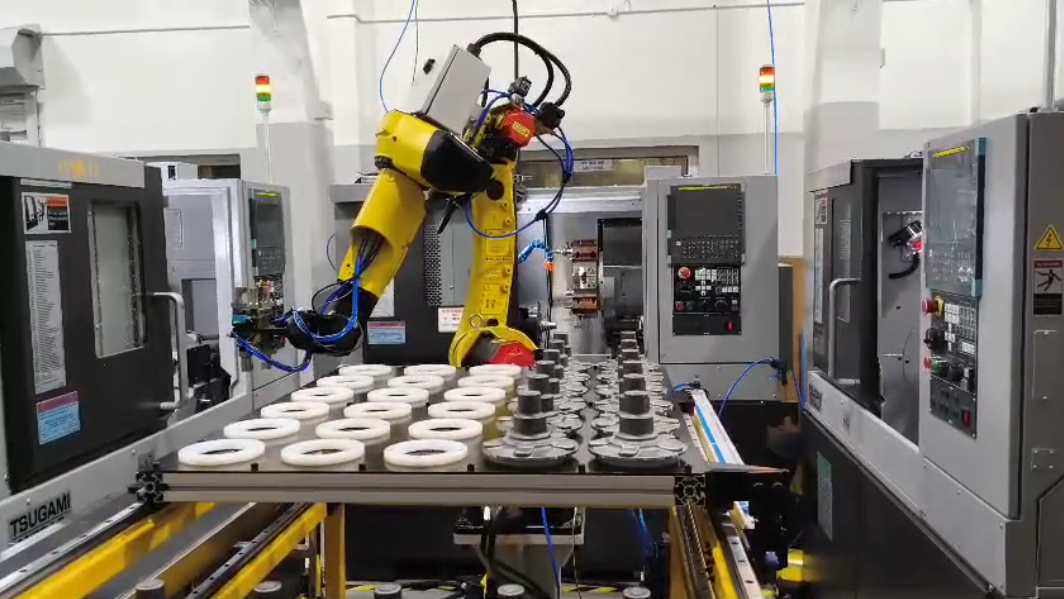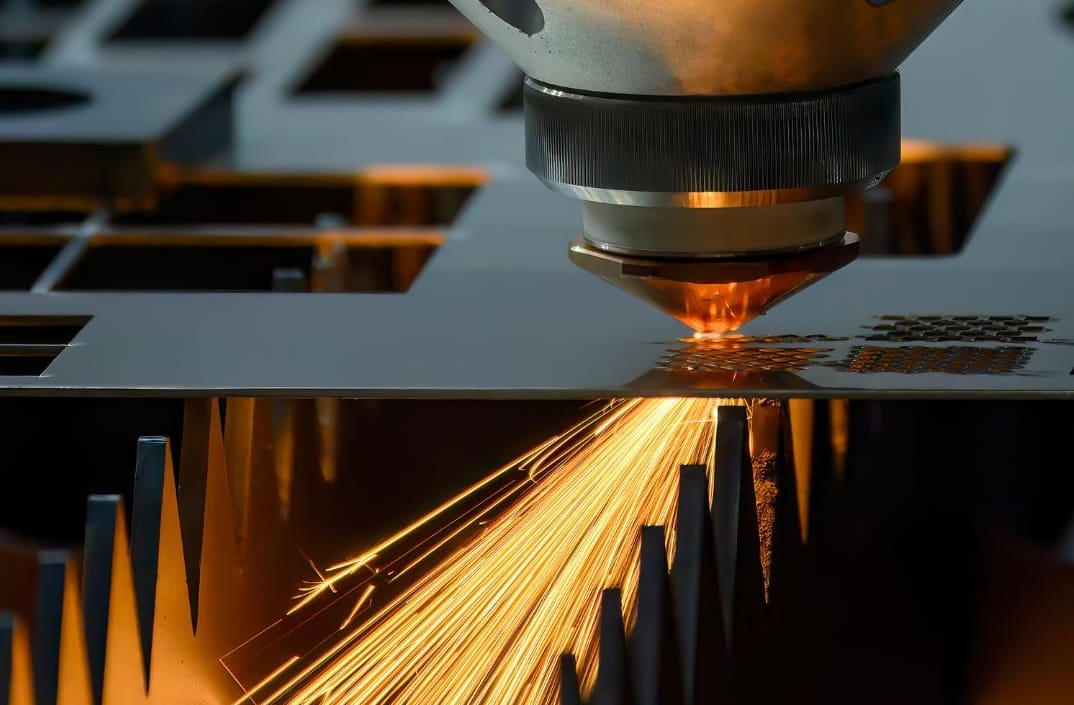
Robotic Welding Automation Overview
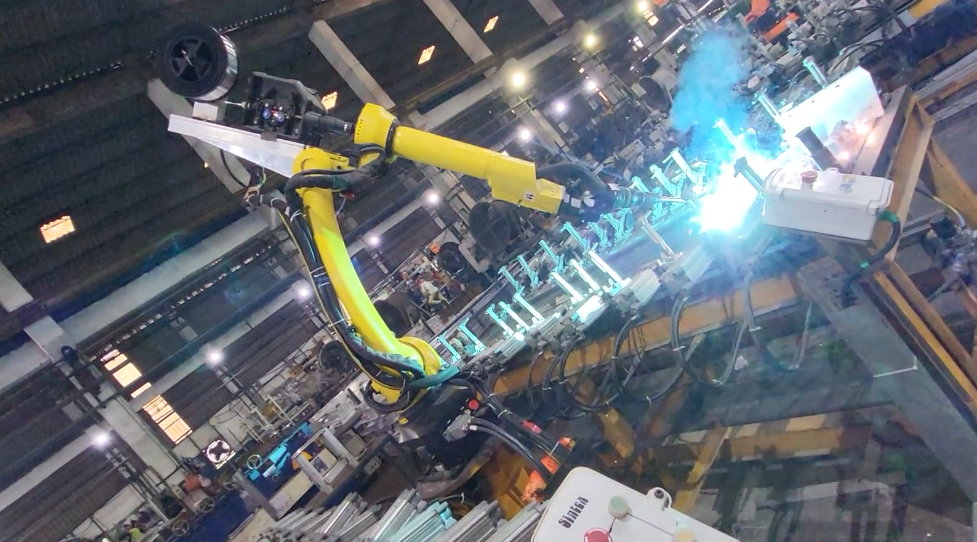
Welding operations form an important part of manufacturing processes involving metal components, fabricated structures and production assemblies. In applications such as aluminium component welding and base pan arc welding, consistent joint execution, accurate component positioning and coordinated robot movements are essential to the production setup.
IRTI-Robotics develops robotic welding automation solutions that bring together industrial robots, welding equipment, fixtures and control interfaces. These systems are configured around the component geometry, joint locations, production requirements and selected welding process.
From aluminium welding applications to robotic arc welding of base pan assemblies, IRTI focuses on engineering solutions that integrate welding operations into the wider manufacturing environment.
Typical Welding System Challenges
- Maintaining consistent weld execution across aluminium components and fabricated assemblies
- Achieving accurate fixture positioning and repeatability for base pan assemblies
- Managing torch orientation and accessibility across different joint locations
- Coordinating robot movements with welding equipment and application-specific parameters
- Accommodating component geometry and variation within the welding cell layout
- Integrating robotic welding operations into existing production lines and workflows
IRTI's Approach to Welding Automation
IRTI-Robotics approaches welding automation through application-specific system engineering. Rather than treating the robot as an independent unit, the solution is developed around the component, welding requirements, fixture arrangement and surrounding production operations.
For aluminium welding, this includes consideration of component characteristics, joint accessibility, torch orientation and the selected welding equipment. For base pan arc welding, the cell configuration is planned around assembly positioning, designated weld locations and the required welding sequence.
Robot programming, mechanical integration, equipment coordination and commissioning are considered together to establish a coordinated welding automation solution suited to the manufacturing environment.
Welding System Capabilities
Depending on the application and project scope, IRTI-Robotics' welding automation solutions can incorporate:
- Robotic aluminium welding for designated component joints
- Base pan arc welding automation for fabricated assemblies
- Robot and welding equipment coordination for programmed welding operations
- Dedicated fixtures and tooling arrangements for component positioning
- Robot path programming based on joint geometry and torch accessibility
- Integration with component loading, unloading and material transfer operations
- Robot controller, electrical control and safety system integration
Why IRTI-Robotics for Welding Automation
IRTI-Robotics brings robotic integration and industrial automation experience to welding applications involving aluminium components, base pan assemblies and fabricated metal parts. Each solution is considered in relation to its component geometry, welding requirements and production environment.
Our project approach brings together robot selection, mechanical and fixture integration, robot programming, equipment coordination, simulation and on-site commissioning, based on the defined project scope.
By combining application-focused engineering with system integration, IRTI-Robotics aims to deliver welding automation solutions that support consistent production operations and fit into the customer's manufacturing requirements.