Robotic Plasma Cutting Automation Overview
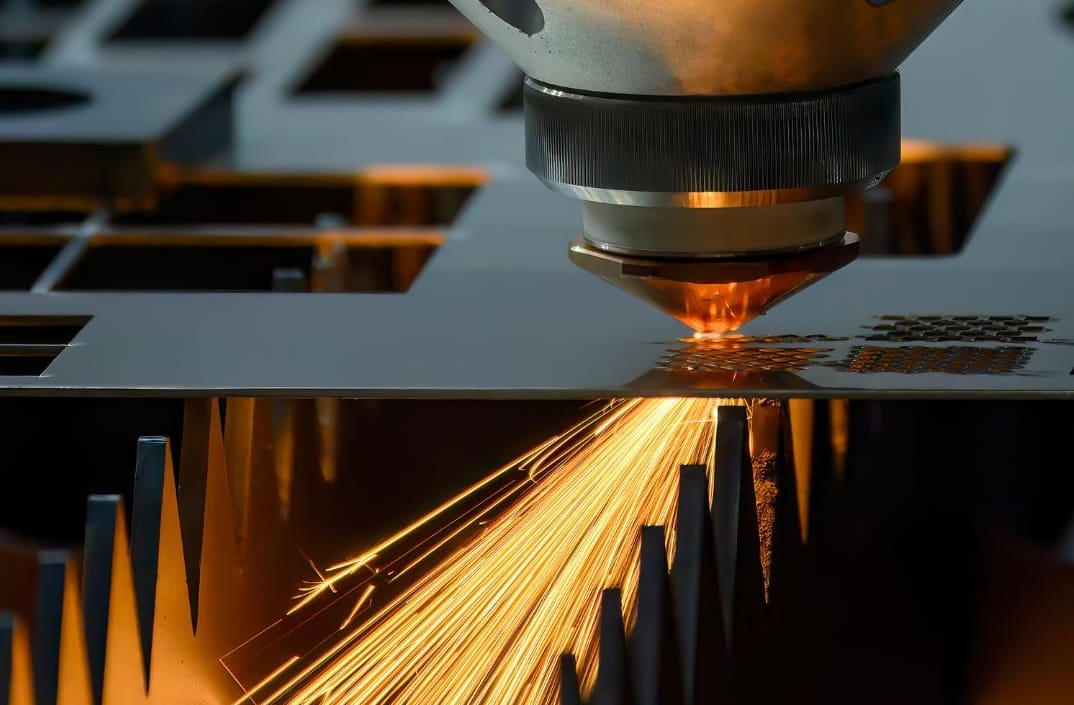
Plasma cutting is widely used in metal fabrication and industrial manufacturing to cut electrically conductive materials into required shapes and dimensions. The process uses a high-temperature plasma arc to melt the material, while a gas stream removes the molten metal from the cutting area.
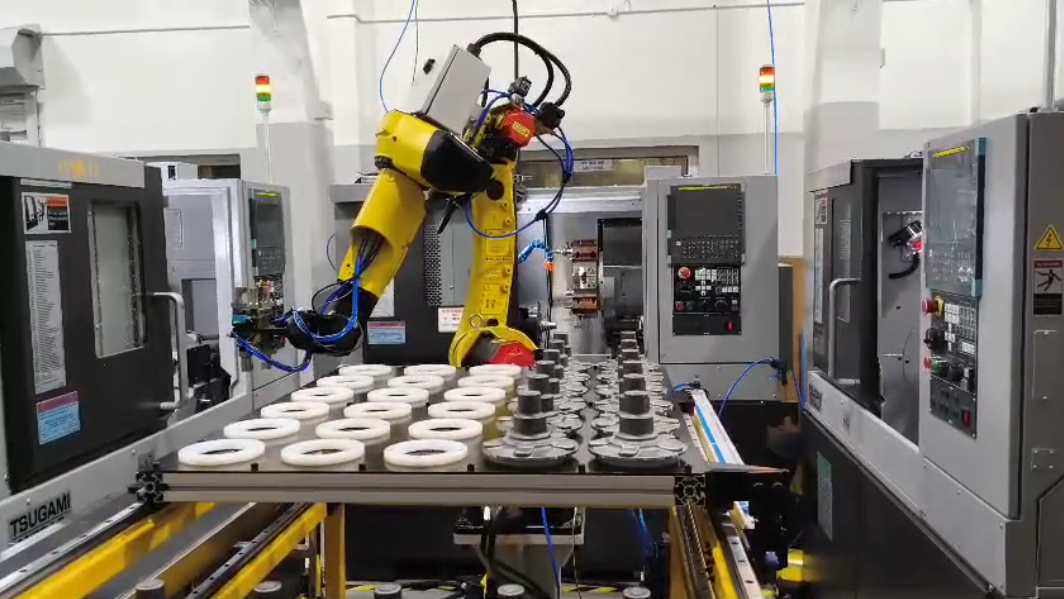
In applications involving complex profiles, repetitive cutting operations and fabricated metal components, automation can help establish consistent cutting paths and coordinated production operations. Robotic plasma cutting systems combine industrial robots, plasma cutting equipment, torch assemblies, fixtures and control interfaces to perform programmed cutting tasks.
IRTI-Robotics develops application-specific robotic automation solutions based on component geometry, material characteristics, cutting requirements and production layout. The system configuration is planned around the required cutting process and the customer's manufacturing environment.
Typical Plasma Cutting Challenges
Manual and conventional cutting operations can involve process variations and handling requirements, particularly when manufacturers work with different component profiles, dimensions and production volumes. Common considerations include:
- Maintaining consistent cutting paths across repetitive components and profiles
- Achieving accurate torch positioning and orientation along complex cutting contours
- Managing cutting speed, torch height and process parameters according to material thickness and type
- Accommodating variations in component geometry and workpiece positioning
- Planning robot movement and torch accessibility around the workpiece and fixture arrangement
- Coordinating cutting operations with loading, unloading and material transfer activities
- Managing heat, sparks, fumes and other application-specific operating conditions
IRTI's Approach to Robotic Plasma Cutting
IRTI-Robotics approaches plasma cutting automation through application-specific system engineering. The robotic system is planned around the workpiece, required cutting profile, plasma equipment and production workflow rather than treating the robot as an independent unit.
The engineering process considers component dimensions, material type, thickness, cutting geometry, torch orientation and workpiece accessibility. These factors help determine the suitable robot configuration, plasma torch arrangement, fixtures and cutting sequence.
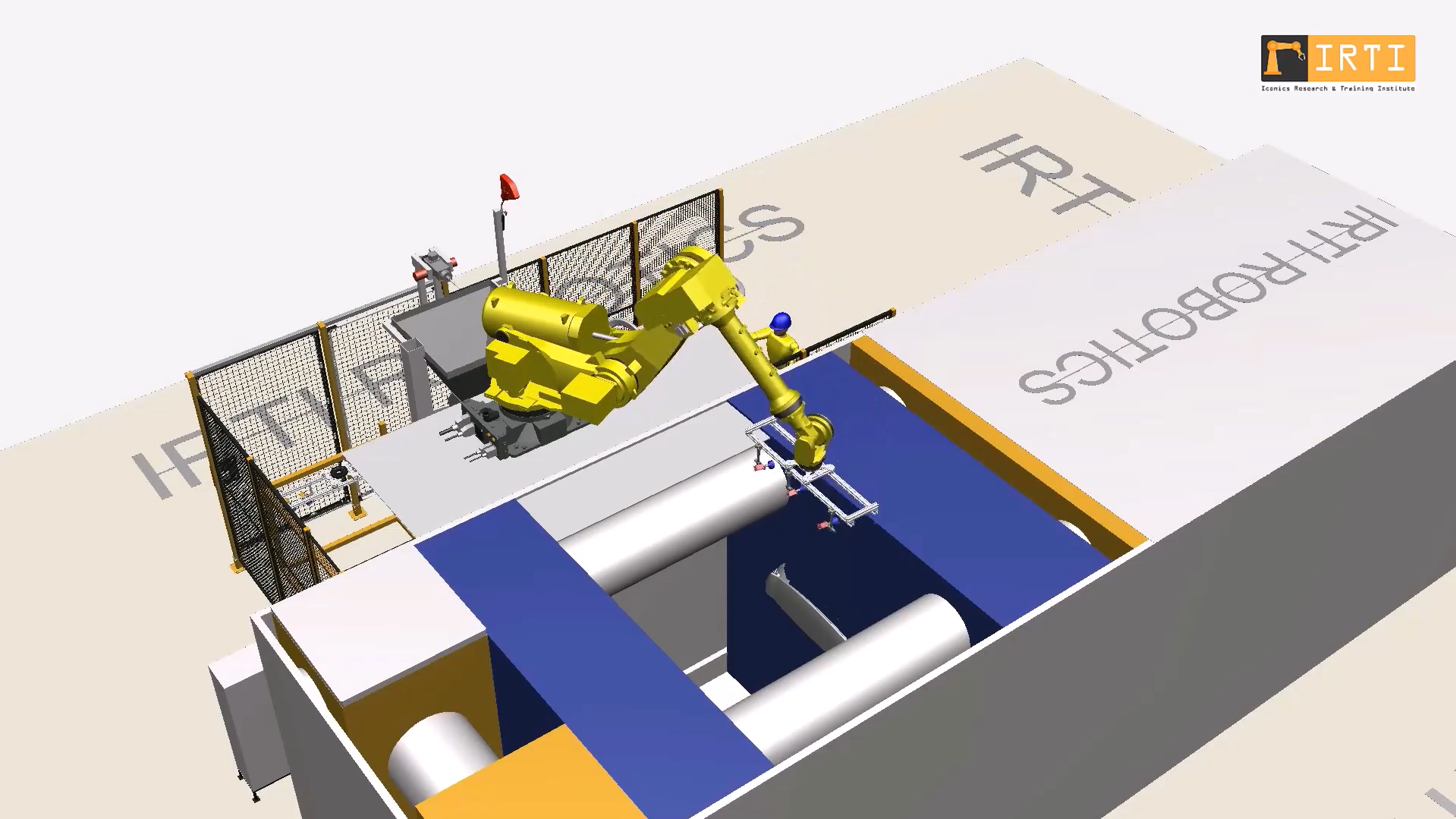
Robot path programming and simulation can be used, where appropriate, to plan cutting movements and review accessibility before deployment. Integration of the robot controller, plasma cutting equipment, electrical controls and safety systems is considered as part of the overall automation solution.
The final system configuration depends on the application requirements, selected plasma cutting equipment and defined project scope.
Robotic Plasma Cutting System Capabilities
Depending on the application and project scope, IRTI-Robotics' plasma cutting automation solutions can incorporate:
- Robotic plasma cutting for defined metal component profiles and contours
- Integration of industrial robots with compatible plasma cutting equipment
- Robot path programming based on component geometry and cutting requirements
- Torch positioning and orientation for application-specific cutting paths
- Dedicated fixtures and tooling arrangements for workpiece positioning
- Coordination of robot movements with plasma equipment and process controls
- Integration of loading, unloading and material handling operations
- Robot controller, electrical control and safety system integration
Applications of Robotic Plasma Cutting
Robotic plasma cutting can be considered for manufacturing environments where repeatable cutting paths, programmed movement and integration with production operations are important. Depending on material specifications and process requirements, potential applications include:
- Cutting profiles and contours in metal fabrication components
- Cutting openings and defined shapes in fabricated metal structures
- Processing sheet metal and plate components suited to the selected plasma system
- Cutting repetitive component designs in industrial manufacturing
- Integration of cutting operations into automated fabrication workflows
The suitability of robotic plasma cutting depends on material type, thickness, cut quality requirements, component dimensions and the capabilities of the selected plasma equipment.
Why Choose IRTI-Robotics for Plasma Cutting Automation?
IRTI-Robotics brings industrial robotics and automation integration experience to manufacturing applications that require coordinated robotic operations. Our approach focuses on understanding the component, cutting process, production requirements and available manufacturing space before developing the system configuration.
Based on the defined project scope, our engineering approach can bring together robot selection, mechanical design, fixture integration, plasma equipment coordination, robot programming, simulation and on-site commissioning.
From initial application study to system integration and commissioning, IRTI-Robotics works towards developing customized automation solutions that align with the customer's manufacturing requirements.
Our focus is on integrating the robotic system with the wider production process while considering operational requirements, equipment compatibility and application-specific safety measures.